
- English
- Español
- Português
- русский
- Français
- 日本語
- Deutsch
- tiếng Việt
- Italiano
- Nederlands
- ภาษาไทย
- Polski
- 한국어
- Svenska
- magyar
- Malay
- বাংলা ভাষার
- Dansk
- Suomi
- हिन्दी
- Pilipino
- Türkçe
- Gaeilge
- العربية
- Indonesia
- Norsk
- تمل
- český
- ελληνικά
- український
- Javanese
- فارسی
- தமிழ்
- తెలుగు
- नेपाली
- Burmese
- български
- ລາວ
- Latine
- Қазақша
- Euskal
- Azərbaycan
- Slovenský jazyk
- Македонски
- Lietuvos
- Eesti Keel
- Română
- Slovenski
- मराठी
- Srpski језик
Čína Izostatický grafit Výrobcovia, dodávatelia, továreň
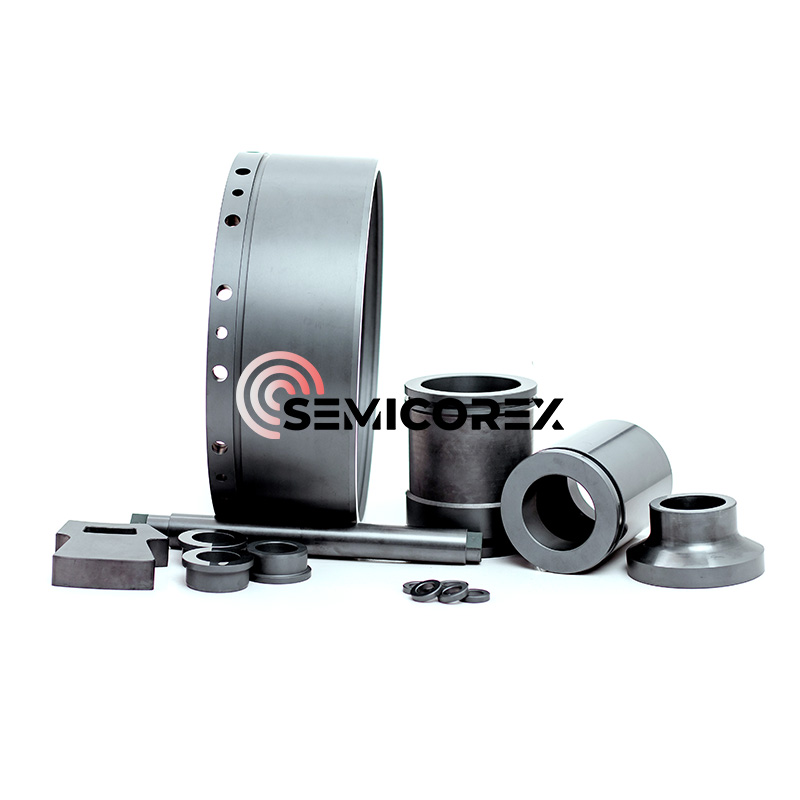
- View as
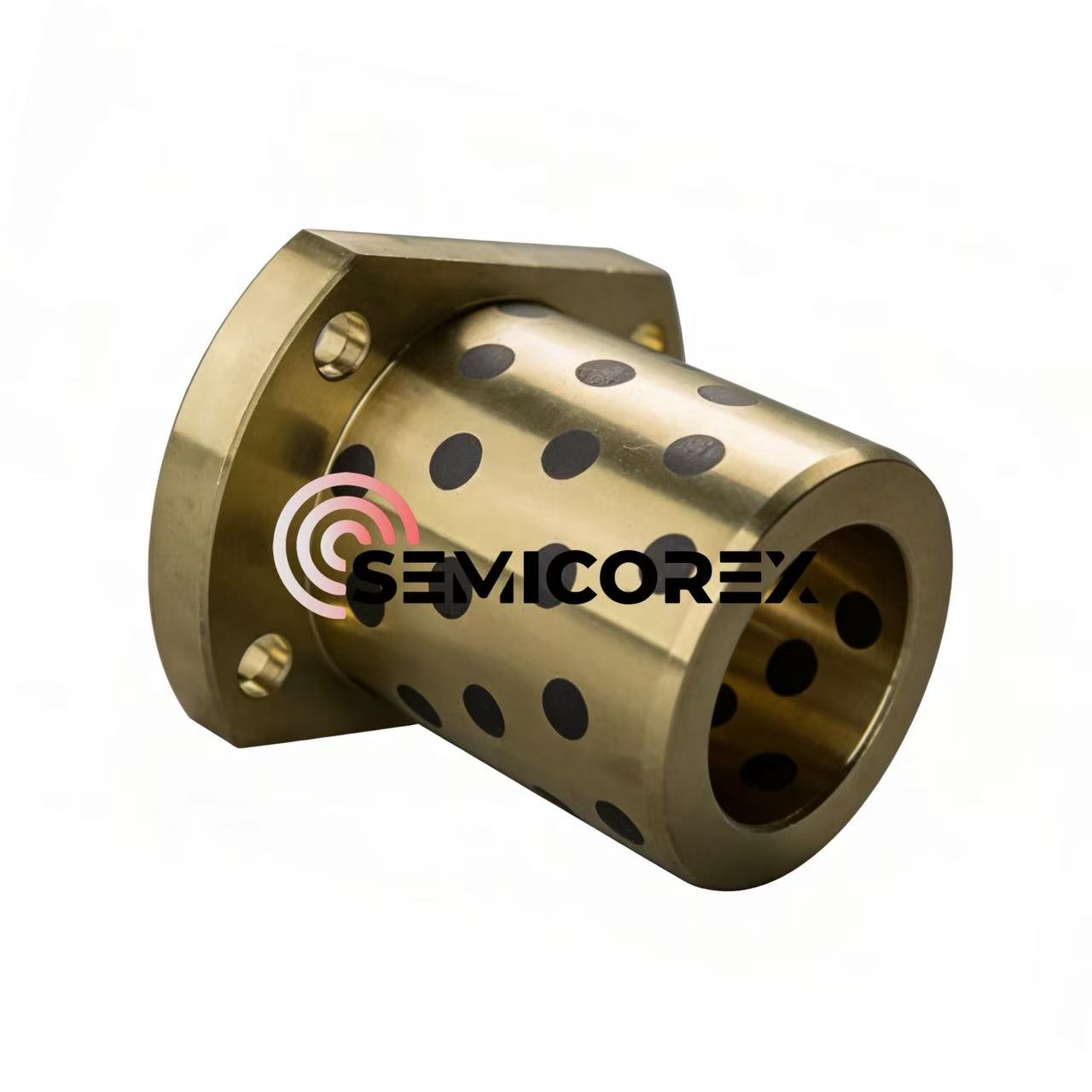
Samomazné grafitové puzdrá
Samomazné grafitové puzdrá sú inovatívne komponenty ložísk, ktoré môžu zabezpečiť mazanie mechanických komponentov bez dodatočného maziva. Samomazné grafitové puzdrá Semicorex so svojimi vynikajúcimi samomaznými vlastnosťami, výnimočnou nosnosťou a vynikajúcou odolnosťou voči vysokým teplotám a korózii sú optimálnym mazacím riešením pre náročné pracovné podmienky.
Čítaj viacOdoslať dopyt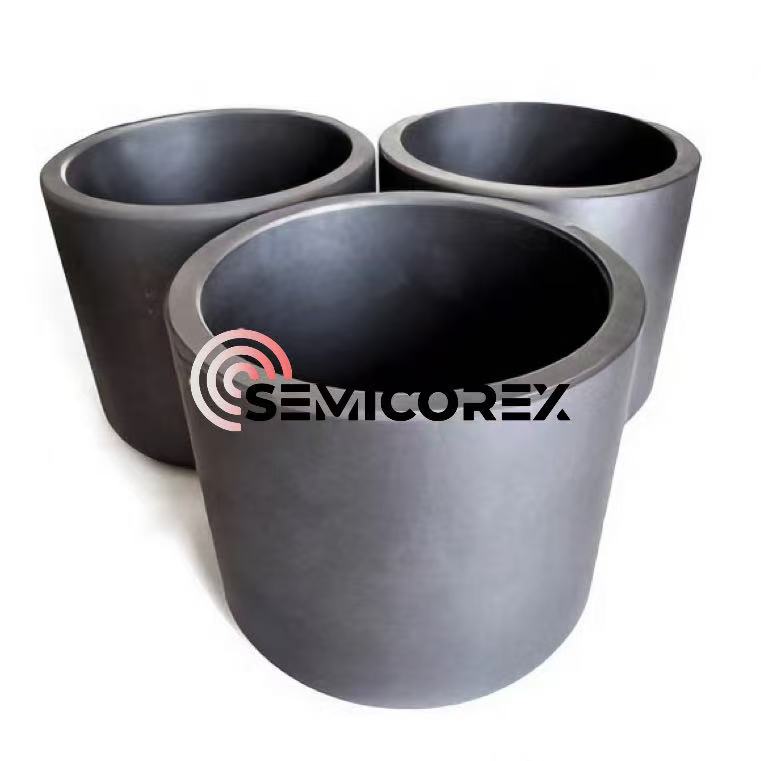
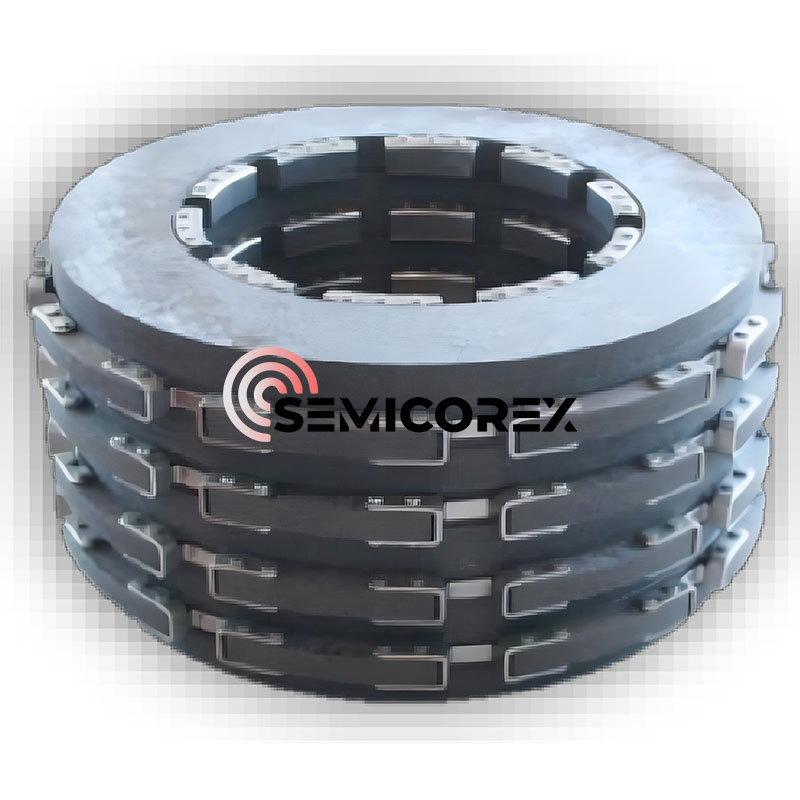
Grafitové tégliky potiahnuté SiC
Grafitové tégliky potiahnuté SiC sú nevyhnutné nádoby presne opracované z grafitového materiálu potiahnutého karbidom kremíka, ktoré ponúkajú vynikajúcu odolnosť voči vysokým teplotám a chemickú koróziu. Grafitové tégliky Semicorex s povlakom SiC sú vďaka svojmu vynikajúcemu výkonu a spoľahlivej kvalite optimálnym riešením na dosiahnutie kontrolovanej výroby kryštálov vysokej kvality.
Čítaj viacOdoslať dopyt
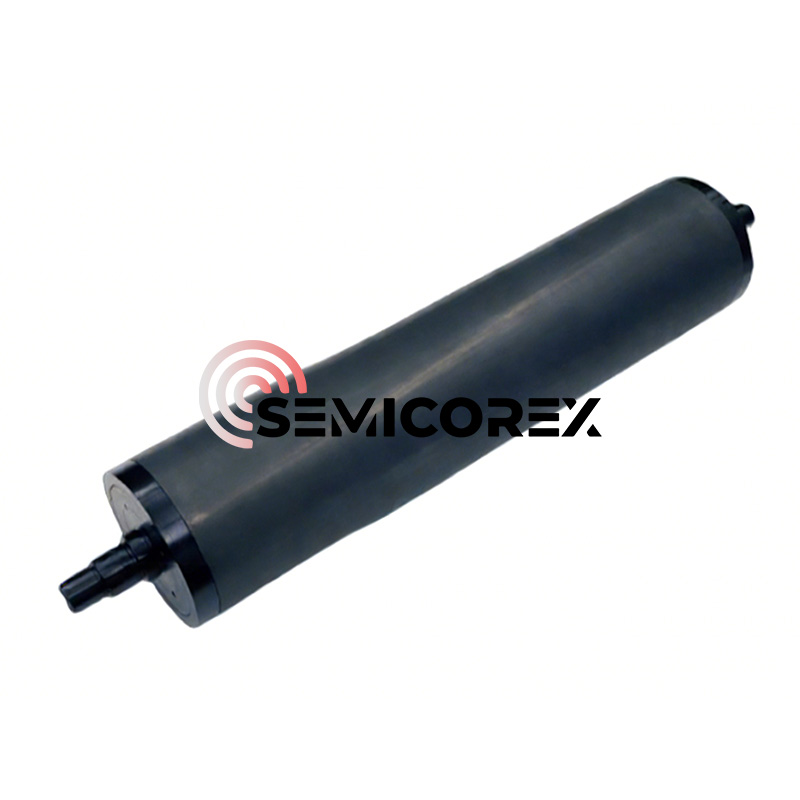
Impregnované grafitové tyče
Impregnované grafitové tyče Semicorex sú vzácne opracované, sú vyrobené z vysoko kvalitného impregnovaného grafitu, široko používaného v strojárskom priemysle. Semicorex je špičková spoločnosť v Číne, ktorá dodáva vysokokvalitné grafitové produkty.*
Čítaj viacOdoslať dopyt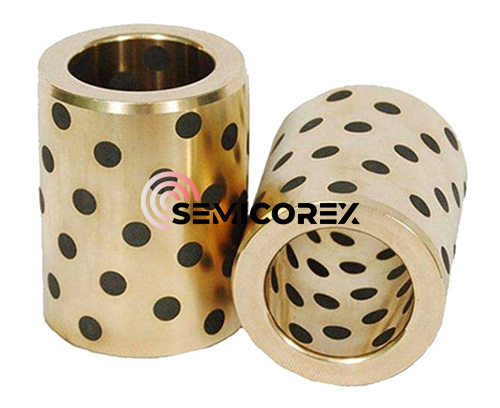
Grafitový medený rukáv
Semicorex Graphite Copper Sleeve je typ manžety, ktorá sa pri mazaní spolieha na svoje vlastné mazivo. Výrobok používa ako základný materiál zliatinu medi, do základne sú vyvŕtané riadne usporiadané a primerane veľké otvory, do ktorých sú potom zapustené grafitové zátky. Semicorex môže dodať hotovú grafitovú medenú manžetu alebo prispôsobené grafitové zátky.*
Čítaj viacOdoslať dopyt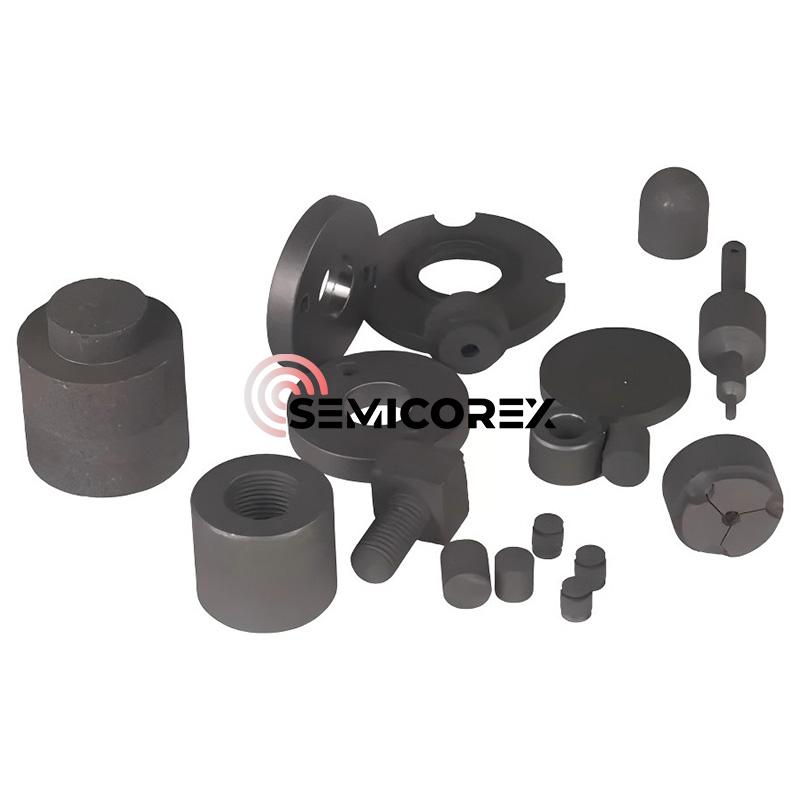
Karbónové grafitové ložiská a puzdrá
Semicorex uhlíkové grafitové ložiská a puzdrá sú vyrobené z vysoko kvalitného uhlíkového grafitu, ktorý je široko používaný v strojárskom priemysle. Semicorex dodáva kvalifikované produkty na základe požiadaviek zákazníkov.*
Čítaj viacOdoslať dopyt
Grafitové ložiská
Grafitové ložiská Semicorex majú veľké výhody v samomazaní, odolnosti voči vysokej teplote, odolnosti voči korózii, svetlu atď. Široko sa používajú v rôznych priemyselných odvetviach pri chode strojov. Semicorex sa zaviazal dodávať kvalifikované produkty na podporu našich zákazníkov.*
Čítaj viacOdoslať dopyt
Semicorex vyrába Izostatický grafit už mnoho rokov a je jedným z profesionálnych Izostatický grafit výrobcov a dodávateľov v Číne. Akonáhle si kúpite naše pokročilé a odolné produkty, ktoré dodávajú hromadné balenie, garantujeme rýchle dodanie veľkého množstva. V priebehu rokov sme zákazníkom poskytovali prispôsobené služby. Zákazníci sú spokojní s našimi produktmi a vynikajúcimi službami. Úprimne sa tešíme, že sa staneme vaším spoľahlivým dlhodobým obchodným partnerom! Vitajte na nákup produktov z našej továrne.